
The history of Clifton Hill Hall: A building with many stories
The Samian Social Club has proudly owned 127-129 Queens Parade, Clifton Hill for more than 40 years. Purchased in 1983, many members know it simply as "the Hall", but the building has a rich and fascinating history.
Constructed in 1885-1886 by local estate agent and community leader William Douthwaite Holgate together with builder William Hall, the building was originally known as Albert Hall. The brick building was two storeys at the front containing two shops downstairs and a smaller meeting room above, and a large single storey hall at the rear. The design featured a neo-classical façade and twin entrances with fluted pilasters supporting pediments. The building was intended as a centre for social and cultural life in the rapidly growing suburb of Clifton Hill.
The building opened in March 1886 and Holgate moved his Clifton Hill Land Office into one of the shops. Holgate advertised the building as having: ‘Good Stage, Scenery, and Piano. Suitable for Balls, Concerts, and Dramatic Entertainments. Also large Room with Piano. Suitable for Lodges, Dancing Classes, and Private Parties.’
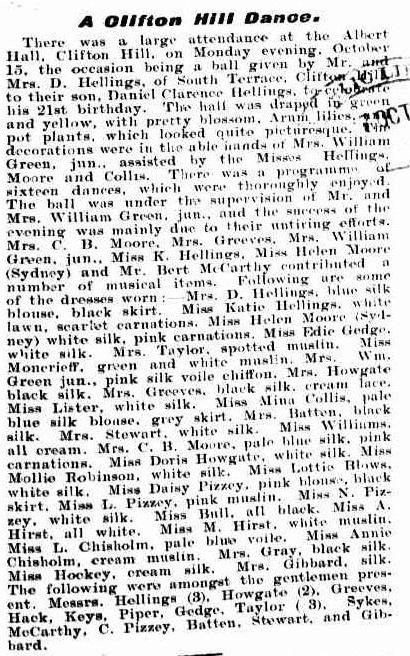
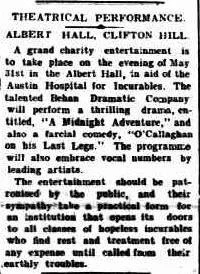
Albert Hall quickly became one of Clifton Hill's most important community venues throughout the late nineteenth and much of the twentieth century, hosting a great variety of events including balls, musical and theatrical performances, celebrations and community meetings.
From late 1886, Albert Hall was used as a meeting place for the newly formed Albert Victor Masonic Lodge. Further modifications were made to enlarge the hall in 1889. In 1890, the newly formed Clifton Hill Baptist Church held its services in the hall before constructing its own church nearby.
In 1901, Holgate sold the building to local medical professional Dr Taylor Downie.
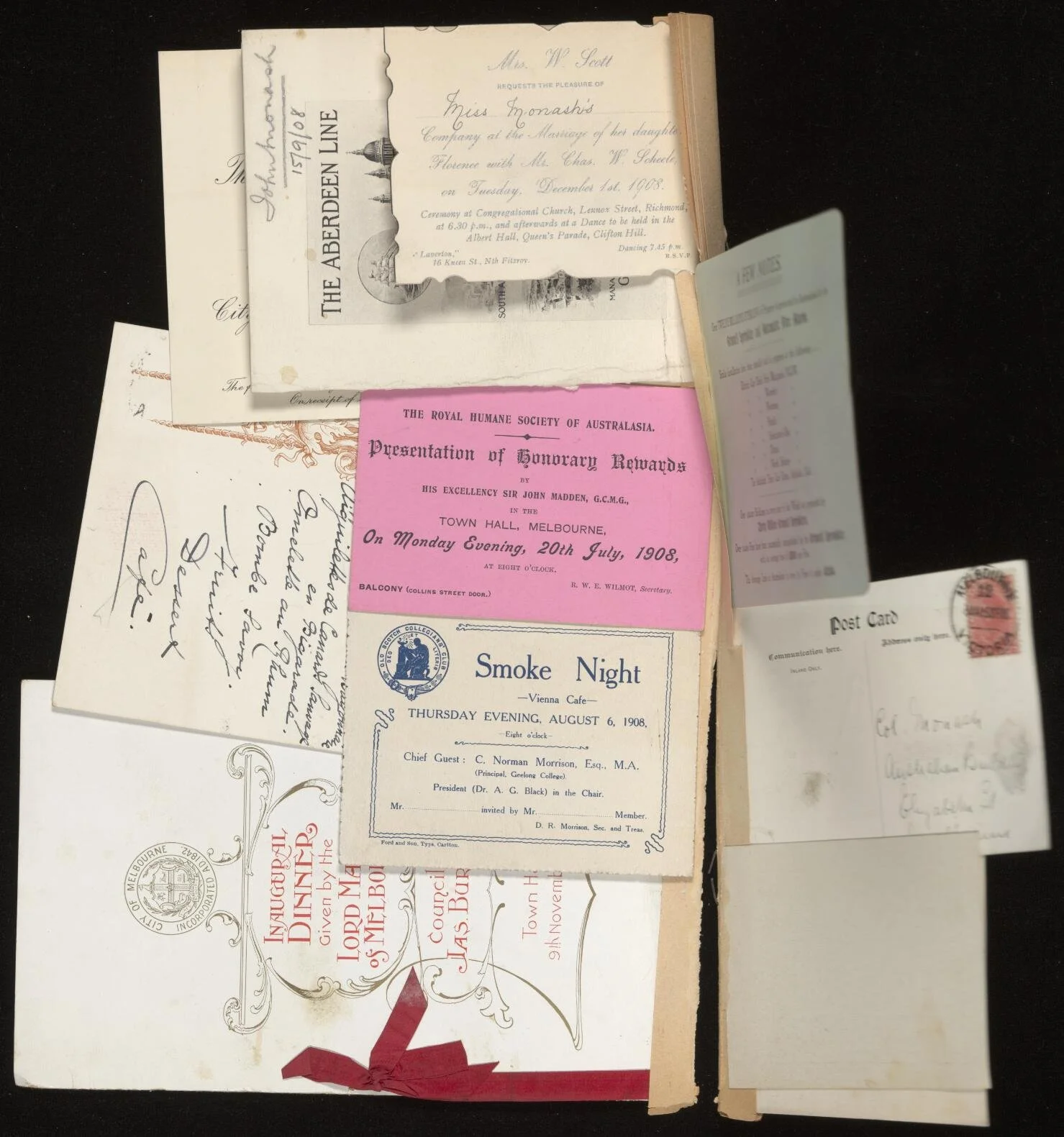
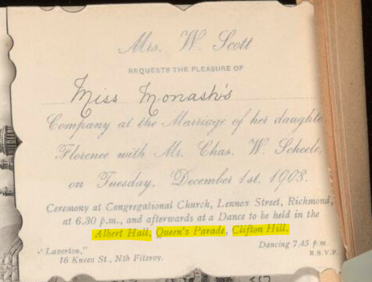
Remarkably, an invitation to a wedding reception held at the Albert Hall on 1 December 1908 has been found in souvenir album 1905-11 of General Sir John Monash, addressed to Miss Monash, his sister (photo below).
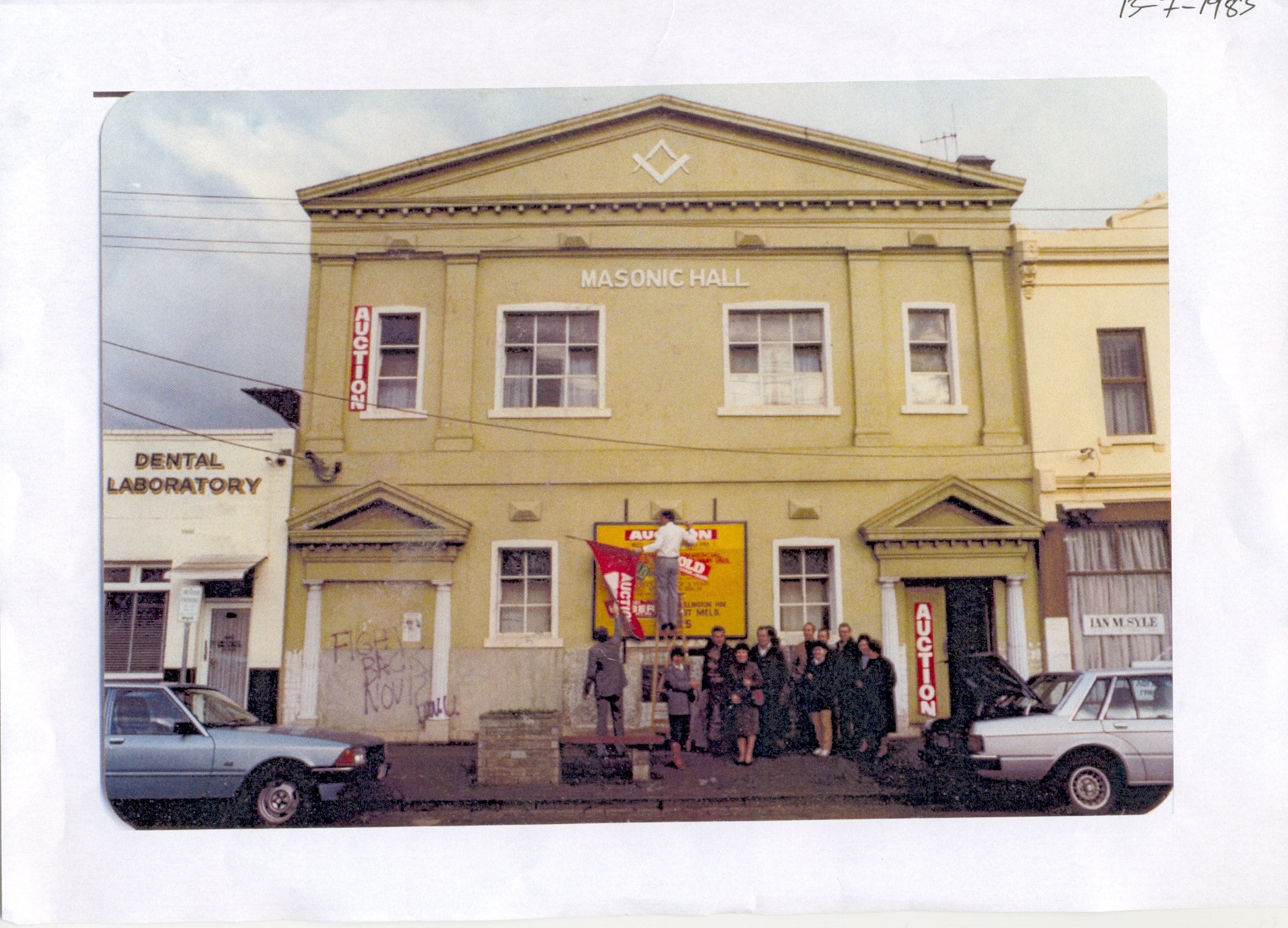
In 1919, the building was purchased by the Albert Victor Masonic Lodge. During the 1920s, the hall was substantially reconstructed and enlarged. The foundation stone laid on the façade of the building in January 1927 by William Hitchens W.M. commemorates the 40th year of Albert Victor Lodge.
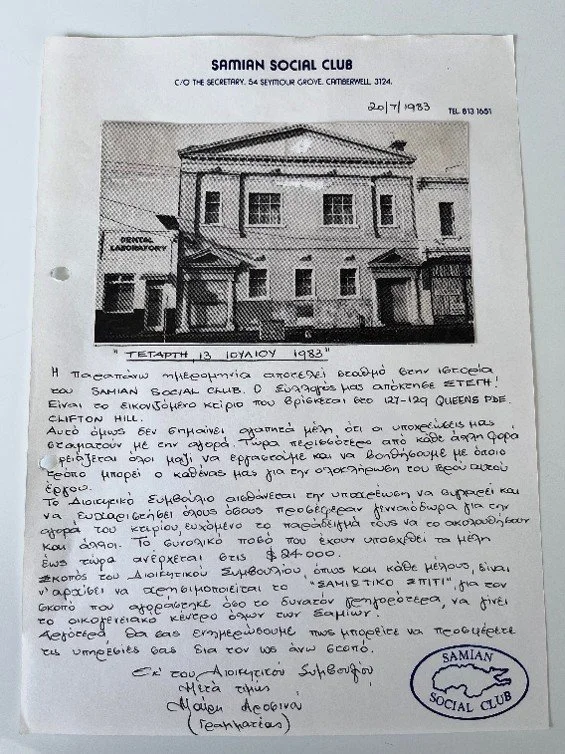
By the early 1980s, the historic building required considerable repairs, and the Masonic Lodge decided to sell. The Samian Social Club had been searching for a suitable property to buy since November 1982, and on 30 June 1983 member Mr Manolis Monolios informed the Executive Committee that an advertisement had appeared in Greek newspaper Neos Kosmos for the auction of the Clifton Hill building. The vendors rejected a pre-auction offer from the Club, but the Club was successful at auction and received the keys on 13 September 1983.
Many members generously donated or lent funds to support the purchase and gave their time to help renovate the building, and over the years hundreds of members, families and friends have celebrated many memorable occasions within the building’s walls.
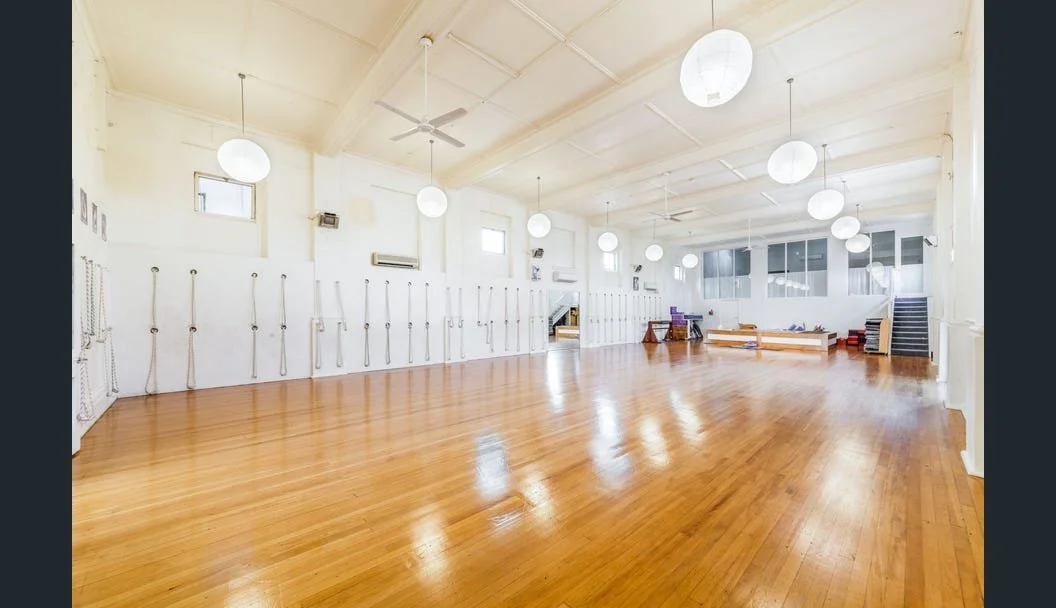
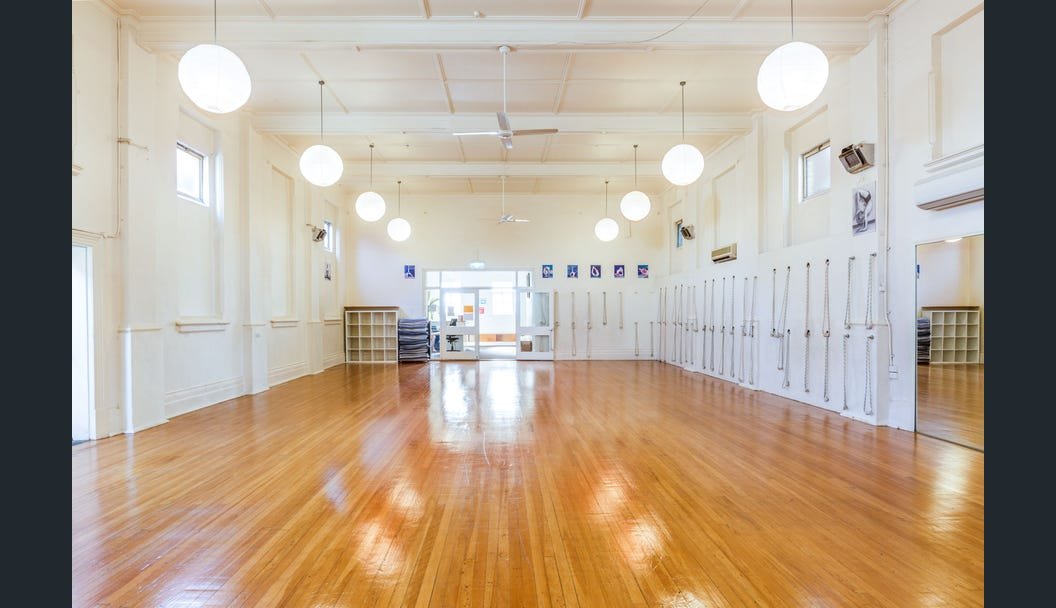
In 1995, the Club leased the building to Frank Jesse and it became the home of Clifton Hill Yoga School (CHYS). In 2007, the business was bought by the Talbot family, who continue to lease the premises and operate CHYS.
The building is recognised as being of local heritage significance by the City of Yarra, reflecting its longstanding role in the social history of Clifton Hill. We are proud to be the custodians of this significant building and to continue the tradition of this community venue that has endured for more than a century.
We also respectfully acknowledge the Wurundjeri Woi-wurrung People as the Traditional Owners of the area we now call Clifton Hill and recognise the significance of this area as a place where the Taungurung stayed when participating in meetings of the Eastern Kulin.
The Samian Social Club is grateful to the Collingwood Historical Society Inc., City of Yarra, Heritage Council of Victoria, City of Melbourne – Mapping Aboriginal Melbourne, and the National Library of Australia for preserving the historical information and records that have helped bring this story to life.